On archives
By SHREYA TIWARI | April 22, 2026What do my archives look like? What have I kept that I’d like to get rid of? What have I thrown away or deleted that I wish was still around?

Hopkins is a diverse university where an incredible mix of cultures, academic interests and personalities coexist and thrive. Here is the section where you can publish your unique thoughts, ideas and perspectives on life at Hopkins and beyond.
What do my archives look like? What have I kept that I’d like to get rid of? What have I thrown away or deleted that I wish was still around?

I have never been the most skilled player, but if you ever happen to be at the Rec at eight on a Tuesday night, look at the basketball court. You’ll probably see a myriad of swishes, some lucky shots, a behind-the-back pass or two and a few people just running up and down the floor, enjoying themselves.
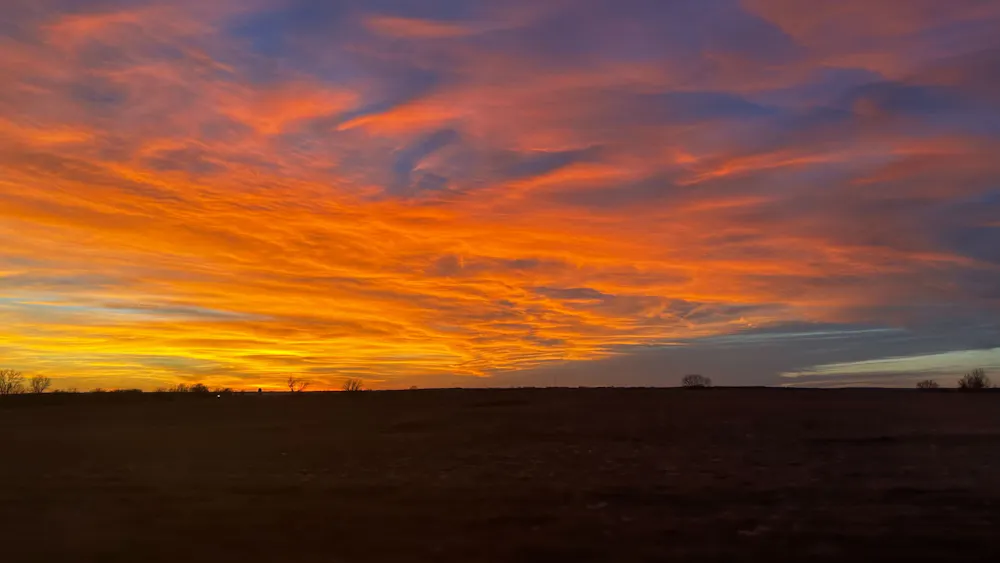
During long car rides as a child, I recall having one mission besides measuring our travels by counting the milemarkers outside: I had to find something beyond the window along our journey to “own.”

When the summer heat has subsided, and the sun casts a liquid saffron in the rippling bank waters of the Loch Raven Reservoir, my father and I gather up hooks, lure and rods to set out fishing.

Founded in 2009 by Brandon Doman, The Strangers Project began as a simple yet powerful idea: to collect anonymous, handwritten stories from people around the world and share them in a space where anyone could read them. What started as a small project has grown into a global collection of human experiences stories filled with honesty, vulnerability and emotion.

Two weeks ago, I had an incredible stroke of bad luck. Nothing was ever that serious, but minor inconveniences and unfortunate happenings followed me around like a fever I couldn’t shake.

The night before a Cells exam never fails to remind me of how little I feel like I know. No matter how many hours I have spent reviewing, tracing pathways, being able to recall the text on the slides by just looking at the title, the moment I start working through the backtests and study questions, everything seems to fall apart.

I despise small talk. And it’s all over social media, too. When did it become necessary for “friends” I haven’t spoken to in years to flood my comments section with “gorgggg,” or “you’re so adorable” or “marry me pls.” I don’t really want to marry you, random stranger whose Instagram handle I barely recognize.
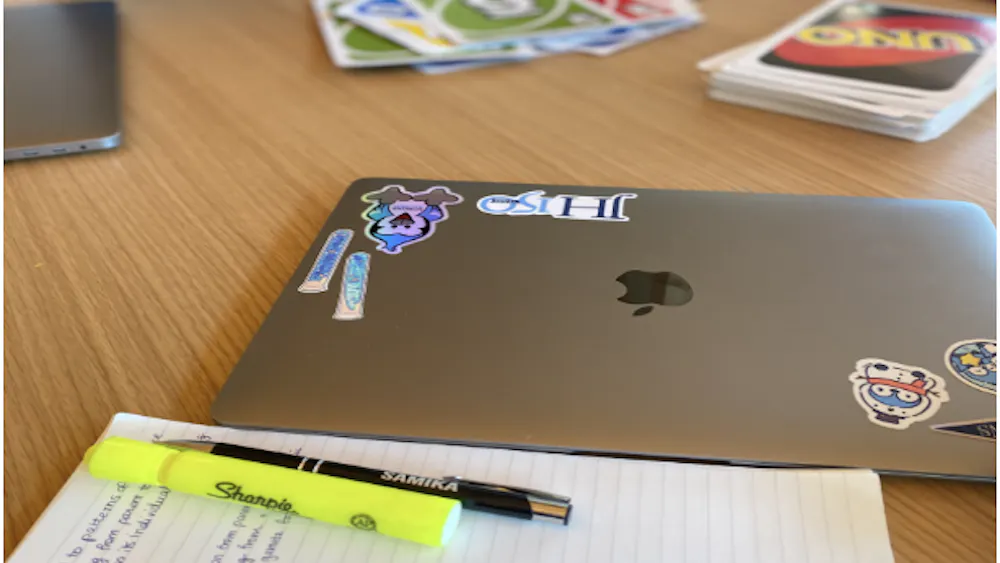
I’ve been thinking about my arrival at Hopkins a lot, especially because my amazing academic advisor Christine sent me an email talking about the big decision I will have to make soon: declaring my major.

I guess I really wasn't going to ever see you again. Everything is different; I live in a different world now. Baltimore is a different world.

I’ve spent too many years huffing and puffing up small flights of stairs. I wouldn’t know my way around a gym, so to spare myself some embarrassment and get in shape, I’ve decided to start taking long walks instead.

Yet, as the semester went on, all these initial promises of friendship began to fade. I’ve always heard that college is a chance to “find our people” and cultivate “lifelong friendships,” but I wasn’t sure how that happened.

Recently, however, I came to a realization: if I am so careful about what feeds into my body, why don’t I exercise the same selectivity for what feeds into my mind?

For those who aren’t familiar with the term, giving a “lifeline” refers to telling someone your entire life story, from beginning to end, and it is how we kick off every semester of APTT training: by sharing whatever feels important to us about our lives with the members of our small training group.
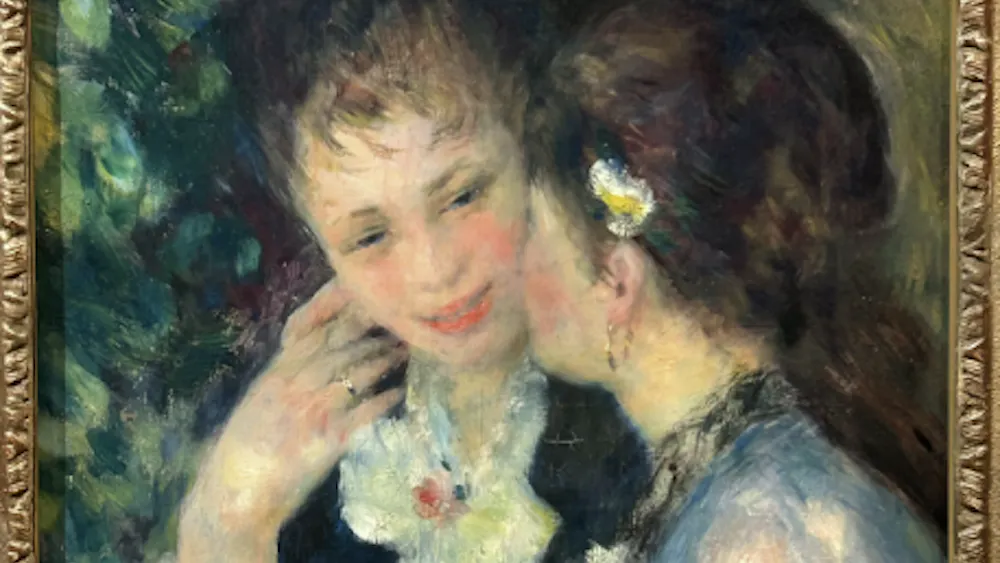
After a very busy half-semester of rewatching all of Bridgerton and Emily in Paris while studying for my organic chemistry midterms (I am only half-kidding), I got to spend a glorious nine-and-a-half days frolicking around London and Paris with two of my best friends and my mom.
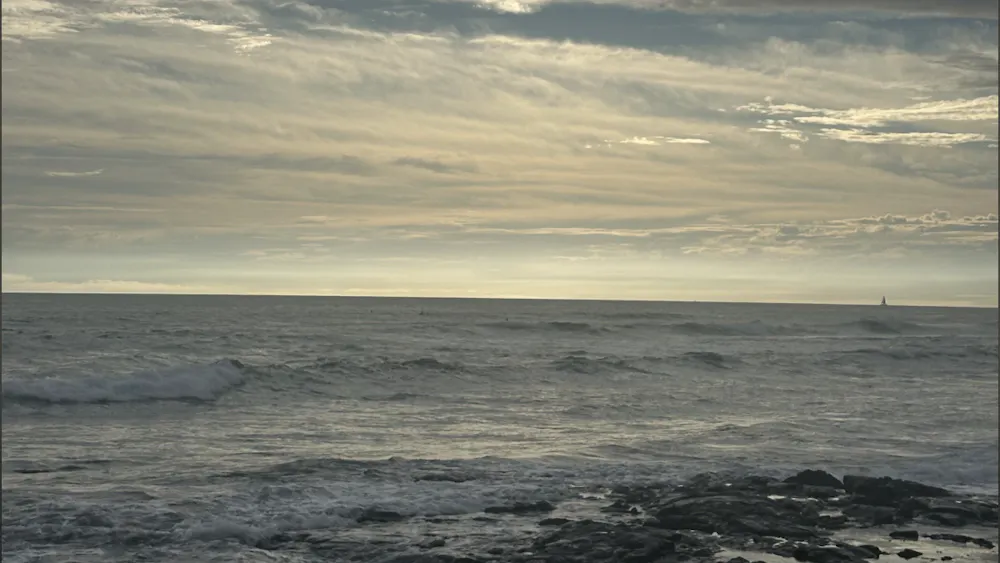
Presence is such an elusive thing. It should be there under any circumstance, except we know that it isn’t.

It was a pleasure speaking to Mrs. Henry. She has a unique message to tell, because she wanted to teach the world about some of the harder parts of the past, not just the good. When you think about it, we really have come a long way. Even when times seem hard now, her message gives me hope for a better future.

I wonder what place cells fire when I think of "home."

19 is such a “middle child.” You’re past that initial excitement you had at 18 of technically being an adult, but you’re also still mentally a teen because your age doesn’t start with a 2. Yes, I’m turning 20 in about three months, and it feels very strange, but let this piece be something I can look back on years into the future.
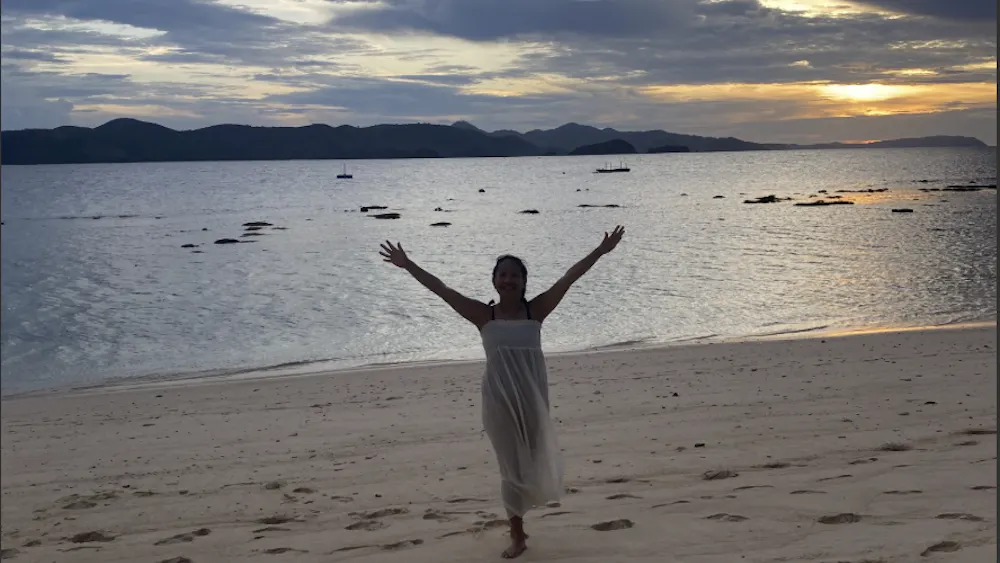
I’ve been wanting to write an article for my mom, but never know where to start. An anecdote would be reductionist. A compliment would feel flattening. Any rendering would be static — and maybe that’s at the heart of it, that writing commits something to paper and necessarily asks us to draw pieces together into a neat picture.